Writing System – Kanji

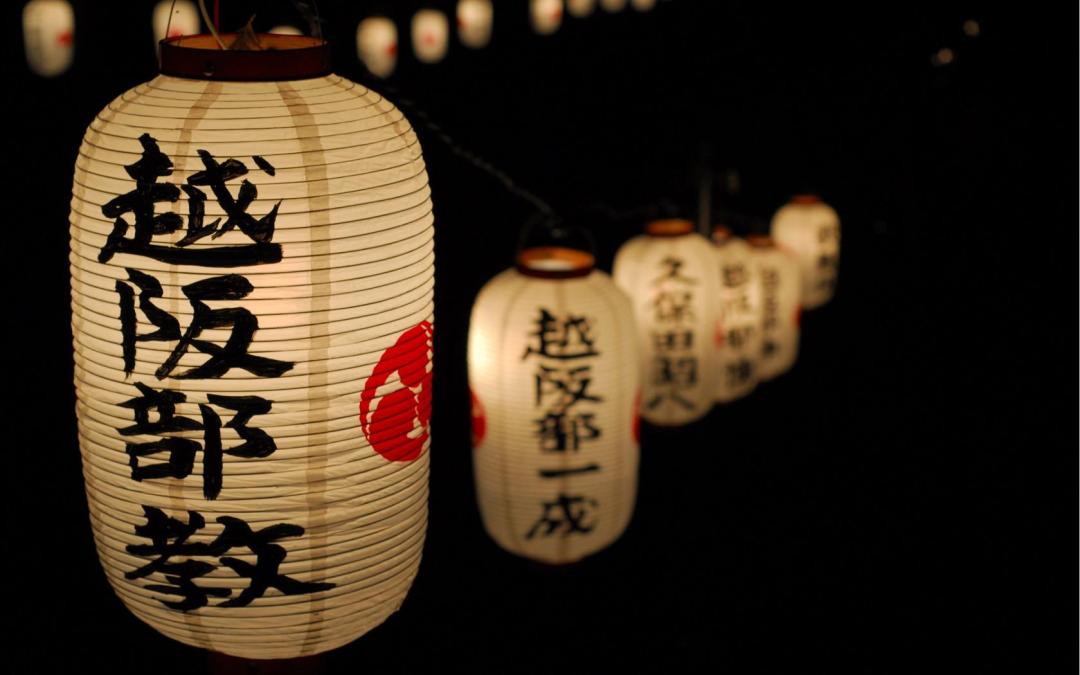
The third and final script used in Japanese is Kanji. The word Kanji itself means Chinese Characters. Kanji are a system of logograms that were originally borrowed from China and retrofitted to meet the needs of the Japanese language. Logograms are characters that are used to represent words and morphemes directly. For example, the words ひと (person) and みず (water) can be written in kanji as 人 and 水。

At first glance this seems pretty straight forward. However, Japanese is a language that is fundamentally different from all varieties of Chinese, and this has severely complicated the way kanji have been adopted into Japanese.

Continue reading “Writing System – Kanji”

Kanji and Homophones Part I – Does Japanese Have Too Few Sounds?

A common refrain heard across the internet is that Japanese is a phonologically impoverished language. In fact, they say, it is so phonologically impoverished that the language is inundated with an unwieldy amount of homophones. As a result, it is impossible to write Japanese using a purely phonetic writing system. Kanji are the only way to disambiguate words.

The truth is much more complicated. Japanese does in fact have an unusually large amount of homophones but the cause is only tangentially related to its phonology. Additionally, kanji may actually be exacerbating the problem.

Continue reading “Kanji and Homophones Part I – Does Japanese Have Too Few Sounds?”

Pronunciation – Introduction

Japanese is often said to have not only very easy pronunciation, but the easiest pronunciation of all the world’s major languages.

In some ways, this sentiment is not without merit. Japanese has very few consonants and only 5 vowels. In addition, the language has very simple phonotactics, meaning these sounds can only be arranged in a very limited manner (more on this later).

Continue reading “Pronunciation – Introduction”